
The Places that Shape Us - A Third Culture Kid's Journey Home

I didn’t expect buying ice cream in an Almaty grocery store would bring back a wave of grief.
But it did.

As Naomi and I walked down familiar streets, we passed the tiny little produce store where we always bought fresh fruit and vegetables (it’s still there!). We came to the 12-storey Soviet concrete apartment building our family lived in for the first eight years of her life. We walked down to the “Tree Park,” where she and Josiah spent hours and hours over the years, growing up. Then we walked down to the block-long grocery store – Stollichny – where we frequently shopped, and here, Naomi bought all her favorite childhood snacks, including her favorite ice cream.
While I watched Naomi, sitting on a bench outside on the sidewalk and eating her ice cream, a wave rolled over me – these ordinary moments become sacred.
Naomi and I were back in Almaty, Kazakhstan where she grew up, where our family lived the first 14 years of her life, where she and her brother were formed during their earliest years.
Ordinary Days Become Sacred
And now, I understand better, our children didn’t just leave this place. The truth is that parts of them remain here.
Jet lagged and a little disoriented that first morning, Naomi and I stared out the wide-open window at the city of Almaty 17 floors below us. Much of it looked the same, but the summer air smelled different. The city had recently passed legislation prohibiting mangals on the streets (or outdoors in general, I think) – these are the open-fire grills that street sellers used to prepare shashlik (kebabs). The smell from burning the saksaul wood once permeated the hot summer air. Now, it didn’t.

For much of our time in Almaty, Naomi’s step was lighter, the sense of simply being at home seemed to lift a tangible load off her. The familiar sights and sounds and smells like a comforting hug. At other times, the familiar wasn’t there, and the unexpectedness of changes settled over her in quietness.

But it was clear that Naomi was home – it shone on her face. The moment she walked into Kuralai’s home, this strong woman who’d been an integral part of Naomi’s life from when she was eight months old. We all enjoyed hearing the joy and seeing the smile on her face as Naomi devoured the comfort foods that fed her soul: homemade manti, “bolichki,” and lots of tea with milk.
When we visited Grandma Vera, Naomi was instantly transported back in time. This woman knew and cared for her through most of her formative, growing up years. Now, we sat around the same table in her apartment, drinking tea and eating what she’d prepared for us. Just like always. Almost as if no time had passed since we were last together.
These are some of Naomi’s people. Her tribe.

What TCKs Carry
For me, standing on the same street in Almaty with Naomi, now decades later, memories flipped through my mind like an old movie reel gone berserk. A surreal moment of worlds colliding – here we were, coming in after seven years of transition running right into the foundational years long ago that had shaped each of us.

For TCKs – third culture kids who grow up in a country outside their parents’ passport country – growing through transition into adulthood is a different kind of journey than most of us experience. In a strange way that’s disconnected from their parents, Kazakhstan will always mean coming home for our children.
These Almaty streets are where our kids, Josiah and Naomi, learned to ride bikes. This is where they naturally spoke the language. This is the place with friends who helped to shape them. Here, they are fluent in cultural nuance and traditions – there’s a sense of knowing and being known.
Kazakhstan is where we laid the foundation for our family and built a sense of home, instilling a sense of family calling and purpose. We often talked about it, as Josiah and Naomi were growing up, that we believed God wanted our family to live and work in Kazakhstan – to show His love to people so they could know Him. This is where our children developed their sense of identity, who and why they are.
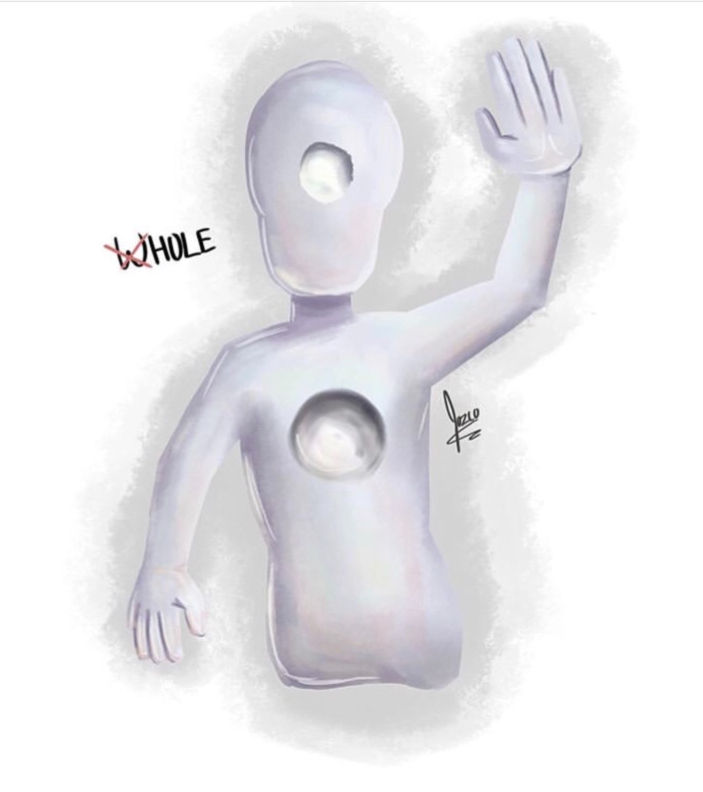
In the chaos of transitioning back to the U.S. in 2018, we didn’t understand enough about what Josiah and Naomi were leaving behind – how much of themselves is connected to this place.
One of the things we lost in coming to America was that clear sense of calling and our intentionality as a family. Josiah and Naomi didn’t just leave Kazakhstan, they lost the framework that explained who we were as a family.
The Transition We Didn’t Fully Understand
When our family came to live in Amery, Wisconsin in August 2018 for a year-long sabbatical, our children were excited about going to school in America. This is where their passports said they were from. They wanted to experience it.
So, I expected questions about school, soccer, gymnastics, making friends. I wasn’t prepared for the question that came from a teenage boy sitting in his grandma’s entryway. “What are we doing here?” Josiah asked me one day. “I mean, in Kazakhstan our family used to have a purpose. What is our purpose here?”
He wasn’t asking about our purpose in Wisconsin. He was asking about our identity – his identity. Josiah wanted to know how the story of his life still made sense, in this new context that had started to become confusing, even painful, as the shiny, newness of it wore off.
Sitting there with Josiah, in his grandma’s house, I realized we had focused on preparing ourselves for transition in one sense – we had thought about logistics, housing, schooling and schedules. But, while we didn’t necessarily underestimate the deeper transition our children would experience, we weren’t prepared for how to help them with the transition of identity.

A Message to Those Who Support Overseas Families
Because TCKs often look like their peers in their passport country, their inner identity is too easily overlooked or completely disregarded as odd. The dissonance this creates for a TCK can be profound. A quiet trauma that settles within.
It’s the people who take the time with TCKS to show genuine curiosity, who have patience to intentionally dig past the oddness – the community of people who help TCKs grow strong through transition and grief and losses – these people help them find their resilience and their confidence again.
Starting out with a two-year-old son and a six-month-old daughter, we didn’t know all the places our journey would take us as our children grew up. For Naomi, this coming home was a bit of a reconciling with the losses in the transition.

It’s an unavoidable journey with twists and turns, ups and downs. One that requires care, intentionality and community. When supported well, TCKs often carry a depth of perspective, empathy and cultural understanding that becomes one of their greatest gifts. I certainly see this in Josiah, who is now 23, and Naomi, who is 21.
When we lived and worked as a family overseas, our impact then wasn’t measured only by what we did. And today, it is carried in the lives of our children who grow up between worlds.


Oh, Wendy, I’m so glad you and Naomi had this healing time together.